Journal
Notes from the setting-out line.
Practical writing informed by 25 years of experience in tile: how to choose tile that lasts, when marble or porcelain suits a New York apartment, and how to coordinate tile with millwork and lighting.
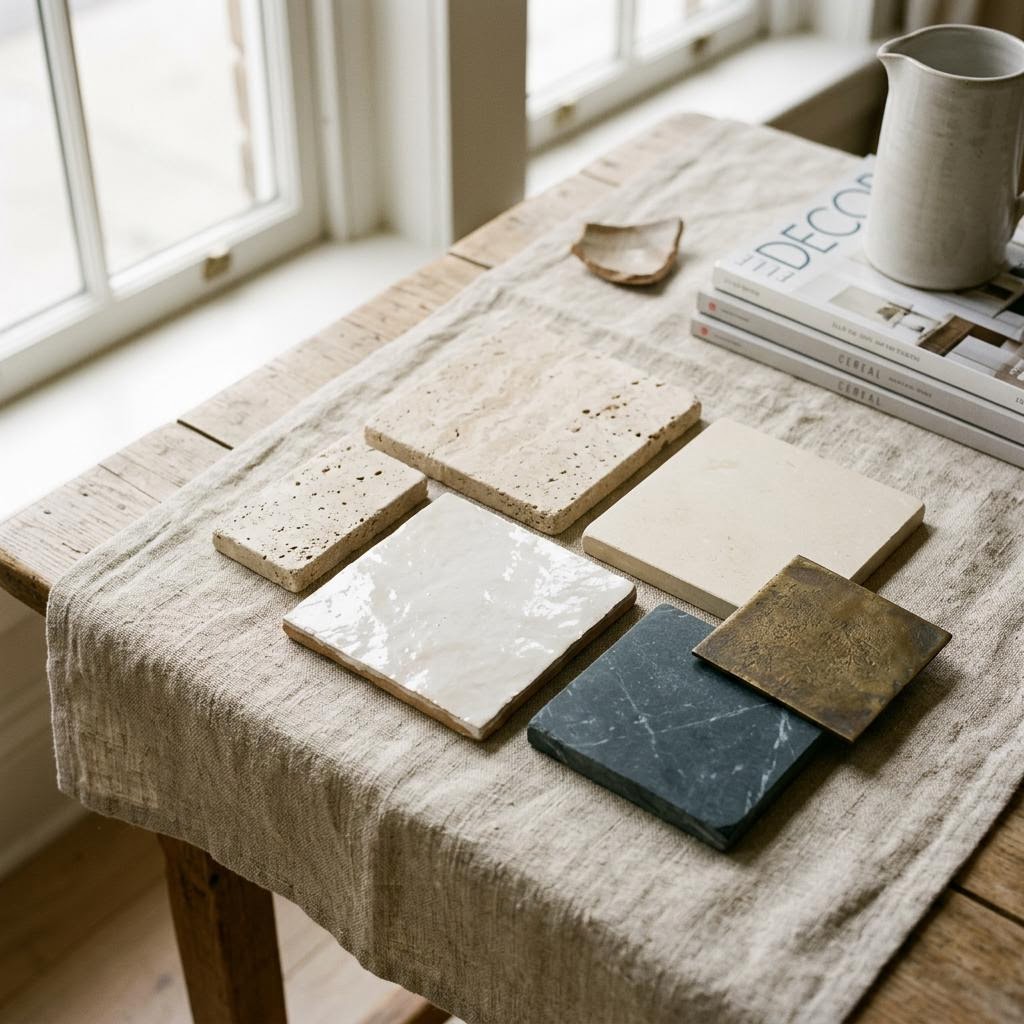
On permanence · 8 min read
Choosing tile that outlasts trends
Tile outlasts trends when the material is honest, the format suits the room, the finish ages well, and the pattern is quiet enough to sit behind the life of the house. Choose natural or true-through materials, proportion the tile to the architecture, keep grout tonal, and spend boldness in one place rather than everywhere.
Read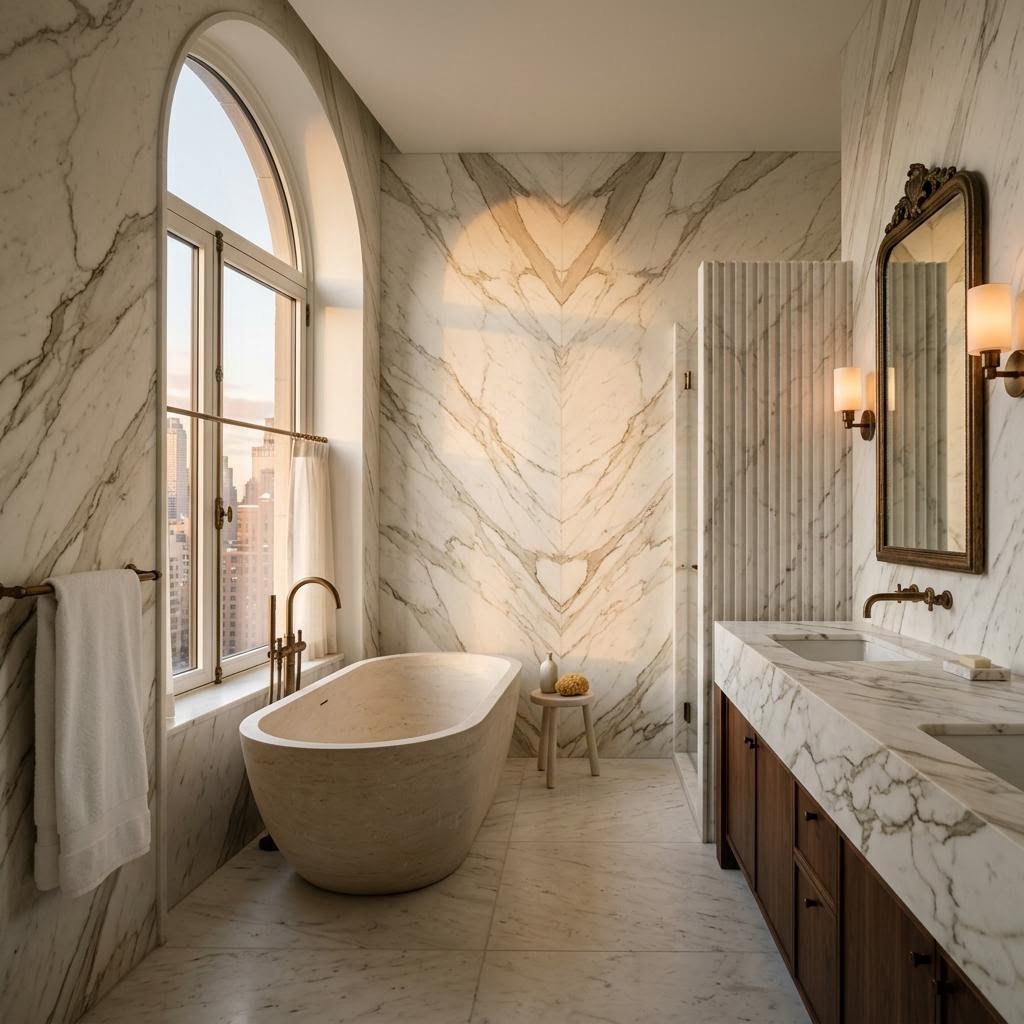
On materials · 9 min read
Marble vs. porcelain for New York apartments
Choose marble when you value depth, patina and a natural surface, and you accept some etching and periodic sealing. Choose porcelain when you want near-zero maintenance, consistent color and resistance to acids and stains. In many New York apartments the best answer is both: marble where it is seen, porcelain where it is worked hard.
Read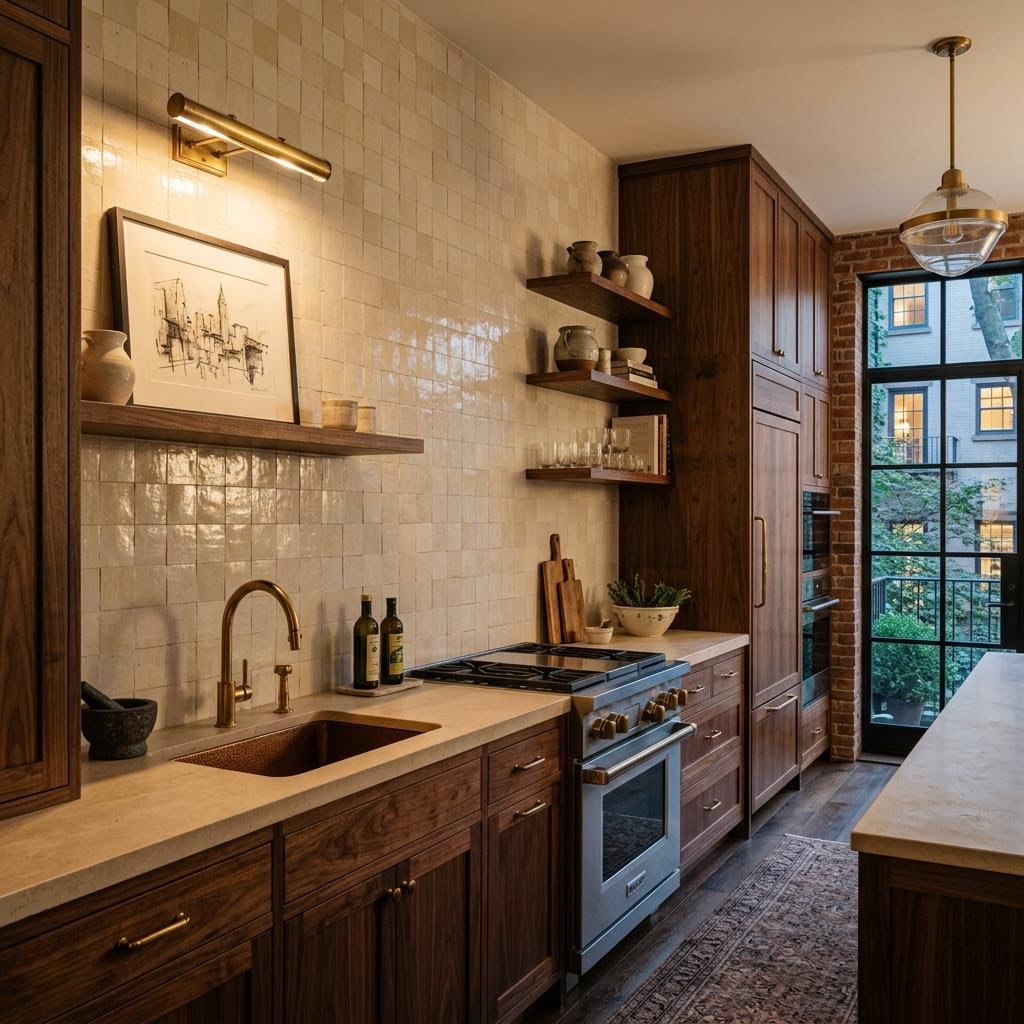
On coordination · 10 min read
Coordinating tile with millwork and lighting
Tile, millwork and lighting succeed together when they share one set of dimensions decided before rough-in: tile centerlines that align with cabinet doors and fixtures, clear rules for which material dies into which, outlets and switches placed in whole tiles, and lighting tested for grazing so it flatters rather than exposes the surface.
Read